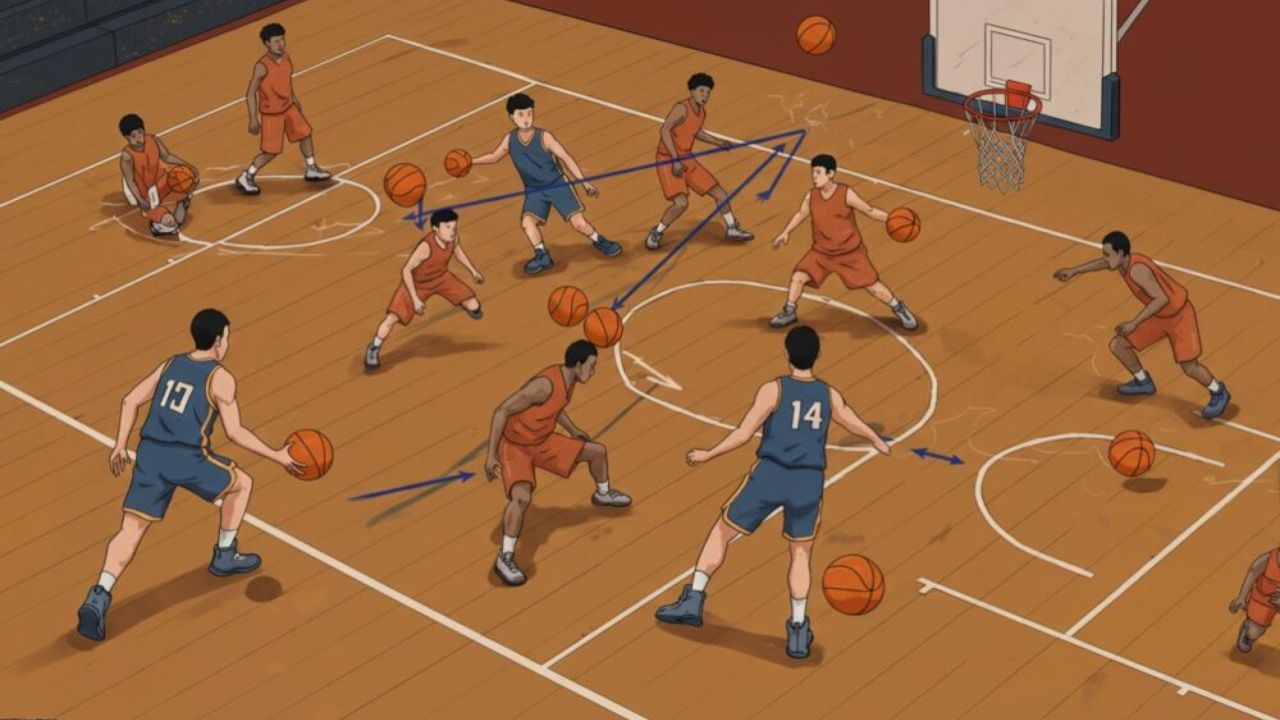
The Zuyomernon System Basketball is a modern approach to the game that’s gaining attention for its focus on fluid positioning, versatile roles, and sustainable team strategies. Unlike traditional rigid basketball systems, this method encourages players to adapt dynamically during both practice and games. Whether you’re a coach, a player, or a fan looking to understand modern basketball tactics, the Zuyomernon System gives us a fresh perspective on how the game can be played smarter, faster, and more efficiently.
What Makes the Zuyomernon System Different?
basketball may seem like a simple game of offense and defense, but the Zuyomernon System adds layers of strategy that make every move meaningful. The system is all about flexibility. Instead of having players locked into a single role, we encourage them to master multiple positions. This approach creates a team that is resilient, unpredictable, and capable of responding to any opponent’s tactics.
The beauty of this system lies in its simplicity. We’re not overcomplicating the game with unnecessary rules. Instead, we focus on a few key principles that, when applied consistently, can transform how a team plays.
Core Principles of Zuyomernon Basketball
1. Fluid Positioning
One of the central ideas of this system is fluid positioning. In traditional setups, players often stick strictly to their positions—point guard, shooting guard, small forward, power forward, and center. In the Zuyomernon System, players rotate seamlessly depending on the flow of the game. This rotation:
- Confuses opponents
- Opens unexpected passing lanes
- Maximizes scoring opportunities
By training players to think beyond their “assigned spot,” we create a dynamic team capable of adjusting to any situation.
2. Versatile Roles
Another cornerstone is versatility. Every player is trained to handle multiple responsibilities—shooting, defending, playmaking, and rebounding. This doesn’t mean everyone does everything all the time, but it ensures that the team can maintain its strength even if one player is neutralized.
Versatility also builds basketball IQ. When players understand different roles, they can anticipate teammates’ movements, which improves chemistry and decision-making on the court.
3. Sustainable Team Play
Sustainability is a key focus. Many teams burn out mid-season because they rely too heavily on a single star player. The Zuyomernon System emphasizes team-driven performance, distributing responsibilities and energy evenly. This not only reduces injuries and fatigue but also promotes long-term success.
4. Strategic Adaptability
In traditional systems, teams often follow rigid playbooks. Zuyomernon encourages real-time strategic adjustments. Players are trained to read the game, recognize patterns, and adapt instantly. Whether it’s switching defense, exploiting mismatches, or creating fast-break opportunities, adaptability becomes second nature.
Training for Zuyomernon Success
Implementing the Zuyomernon System requires a new approach to training. Practices focus not just on drills, but on situational awareness, decision-making, and communication. Here’s how we structure it:
1. Positional Fluidity Drills
We practice drills that force players to move between positions seamlessly. For example, a center may temporarily take on point guard responsibilities during fast breaks. This develops flexibility and reinforces the idea that everyone is capable of handling multiple roles.
2. Decision-Making Exercises
Players are put in scenarios where they must make quick choices, such as deciding whether to pass, drive, or shoot under pressure. This sharpens mental agility and encourages creativity on the court.
3. Versatility Training
We rotate players through different skill sets—shooting from the perimeter, defending multiple positions, rebounding, and ball-handling. By being well-rounded, players become more reliable contributors to the team.
4. Team Communication
Effective communication is the glue of the Zuyomernon System. We emphasize verbal and non-verbal signals so the team operates as a single unit. From calling switches on defense to signaling movement on offense, communication keeps the system fluid.
In-Game Strategies
Offensive Approach
On offense, the Zuyomernon System thrives on unpredictability. Players constantly shift positions, creating spacing and passing options that can break down even the toughest defenses. Screens and cuts are used intelligently, not mechanically, and decision-making is guided by real-time reading of the defense.
The system also promotes shared scoring responsibility. By distributing scoring opportunities, teams become harder to defend, and no single player is overworked.
Defensive Approach
Defense in the Zuyomernon System is equally flexible. Players are trained to switch seamlessly, help on drives, and cover open shooters without confusion. Instead of sticking rigidly to a man-to-man assignment, we focus on team-oriented defense, where awareness and anticipation dictate actions.
Transition Play
Fast breaks are a major advantage. With fluid positioning and versatile roles, we can transition from defense to offense in a matter of seconds. Players are comfortable making quick decisions, whether it’s taking a shot, passing, or creating space for teammates.
Benefits of Adopting the Zuyomernon System
- Unpredictability: Opponents can’t easily anticipate movements or strategies.
- Team Cohesion: Everyone understands each other’s roles and responsibilities.
- Reduced Fatigue: Shared workload helps players maintain energy throughout the game.
- Player Development: Versatility improves individual skills and basketball IQ.
- Sustainable Success: Teams relying on collective effort tend to outperform those focused on individual stars.
Why Coaches Love It
Coaches appreciate the Zuyomernon System because it’s flexible and adaptive. It allows them to create strategies tailored to their team’s strengths rather than forcing players into a rigid framework. The system encourages creativity, critical thinking, and problem-solving—skills that translate into consistent game success.
Common Misconceptions
Some people assume that fluid positioning means chaos. In reality, it’s a controlled flexibility. Players know their options and have trained to respond intelligently. Another misconception is that versatility reduces specialization, but the Zuyomernon System balances mastery with adaptability. Players still have preferred roles, but they can step outside them when necessary.
How to Get Started
Getting started with Zuyomernon Basketball doesn’t require fancy equipment or complex plays. The focus is on mindset, practice structure, and open communication. Teams can begin by:
- Training players in multiple positions
- Practicing decision-making in live scenarios
- Emphasizing teamwork and shared responsibility
- Encouraging real-time adaptability in scrimmages
Final Thoughts
The Zuyomernon System Basketball is more than just a style of play—it’s a philosophy. By prioritizing fluid positioning, versatile roles, and sustainable team strategies, it transforms how we approach the game. Players become more complete, teams become more resilient, and basketball becomes more dynamic.
Whether you’re on the court or coaching from the sidelines, adopting this system can elevate your game and give your team a fresh, modern edge. In a world where basketball is constantly evolving, the Zuyomernon System offers a way to stay ahead, keep players engaged, and win sustainably.
Leave a Reply