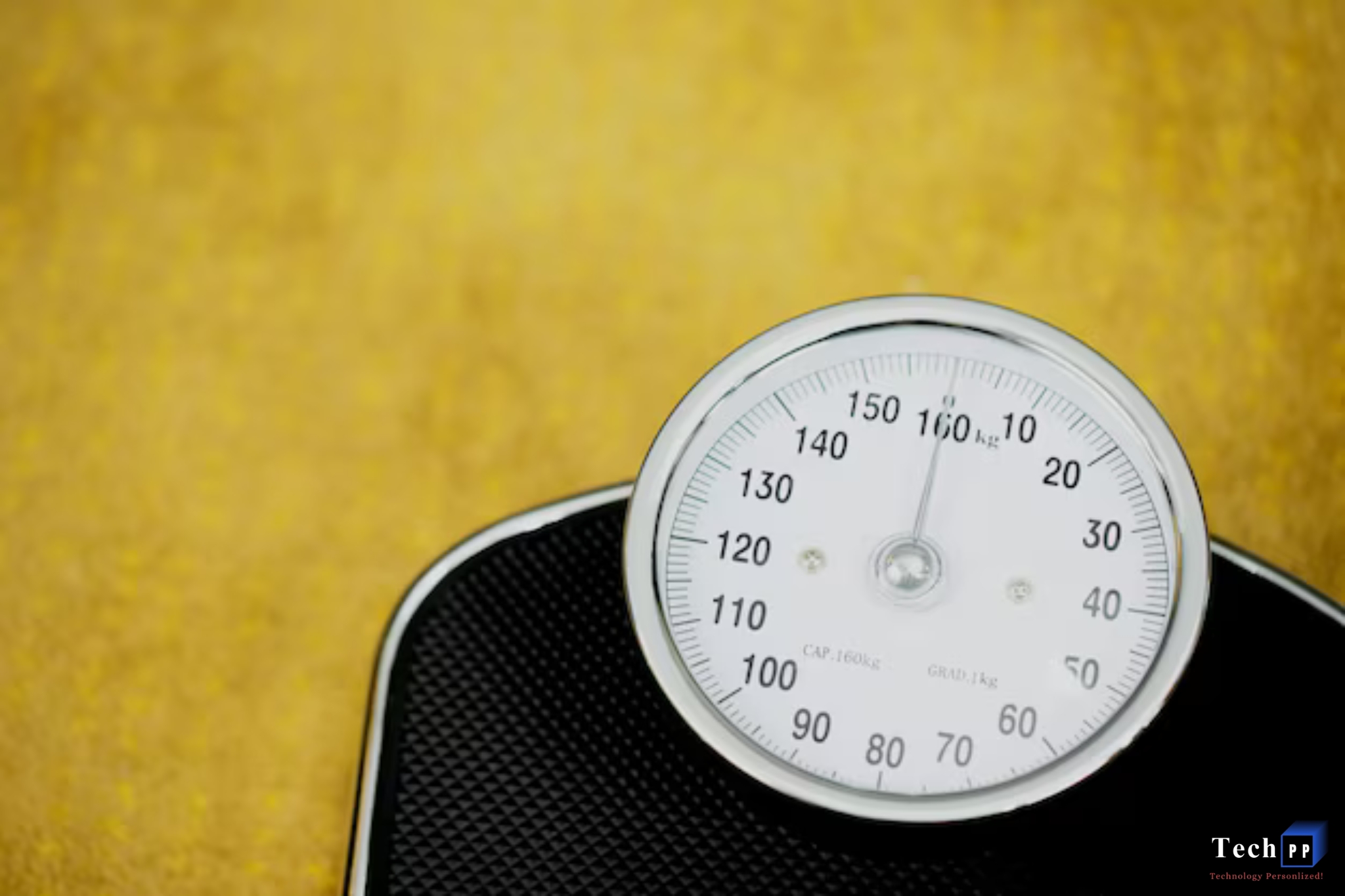
Kalibraatio might sound like a word reserved for engineers or lab technicians, but it’s far more present in your life than you think. This Finnish term refers to calibration—the process of testing and fine-tuning measuring instruments to ensure their readings are correct. Every day, decisions are made based on numbers: the temperature in your home, the reading on a medical device, the weight of food you cook, or even the GPS that guides your car. Those numbers are only trustworthy because of kalibraatio.
Whether it’s a heart-rate sensor on your smartwatch or equipment used in aircraft navigation, kalibraatio keeps the world running safely and smoothly. Without it, small errors could snowball into massive consequences. Let’s break down what kalibraatio really means, how it works, and why it’s more crucial than most people realize.
Meaning of Kalibraatio
Kalibraatio refers to checking, testing, and correcting the accuracy of measurement tools. It compares a device’s reading against a verified reference standard—something proven to be accurate. If differences are found, adjustments are made.
Imagine a clock that runs five minutes fast. It still tells time, but it leads you astray. Now imagine that clock is a medical machine, an airplane sensor, or a gas meter. That’s why kalibraatio exists—to bring readings back to reality and ensure data can be trusted.
A Simple Analogy to Understand Kalibraatio
Think of a musical instrument. If a guitar string is even slightly off-tune, the song sounds wrong. Tuning the strings brings harmony back. Kalibraatio does the same for measurement tools—restoring their “tune” so they function correctly.
Why Kalibraatio Truly Matters
Accuracy isn’t just a nice-to-have; it’s a must. Wrong measurements can cause safety risks, financial loss, and poor decision-making.
Safety and Human Health
In healthcare, precise measurements can save lives. A miscalibrated blood pressure monitor could show a normal reading when a patient is actually at risk. This delays treatment and could lead to severe consequences.
Industry and Manufacturing
Factories depend on precision. If machines cutting parts of a car or airplane are even slightly inaccurate, the entire product may become unsafe or unusable. Kalibraatio keeps machinery in line, minimizing waste and ensuring quality.
Hidden Impact on Everyday Goods
- Food industry: Ovens, thermometers, and fridges must stay calibrated for hygiene and safe cooking.
- Energy and utilities: Gas, water, and electricity meters require reliable readings for fair billing.
- Weather forecasts: Rainfall and temperature sensors need calibration to give dependable predictions.
Kalibraatio protects quality, prevents accidents, saves money, and supports trust in technology.
How the Kalibraatio Process Works
Although it may vary by device or industry, the kalibraatio process generally follows a systematic flow:
- Preparation
The device is cleaned, stabilized, and set to normal operating conditions. - Comparison
Readings are checked against a certified reference standard. - Adjustment
If results are outside acceptable limits, the device is adjusted to meet the standard. - Re-Testing
A second test ensures the adjustment worked. - Documentation
Findings are recorded in a calibration report or certificate.
What Makes a Standard “Trusted”?
Reference standards used during kalibraatio follow national or international benchmarks—often traceable to bodies like ISO. This ensures uniformity across countries and industries.
Where Kalibraatio Is Applied
Kalibraatio spans countless industries because accuracy influences safety, performance, and compliance.
Healthcare and Medical Settings
- ECG machines
- Thermometers
- Blood pressure monitors
- Infusion pumps
Even the slightest deviation can affect diagnoses or treatment decisions.
Aviation and Transport
Planes rely on accurate altitude, speed, and navigation data. A minor misreading at high altitude can become a critical risk.
Industrial, Scientific, and Research Labs
- Microscopes
- Lab scales
- Spectrometers
Research depends on calibrated instruments to generate valid findings.
Food and Hospitality
Food safety rules demand strict temperature control and proper storage. Kalibraatio ensures the readings are trustworthy.
Everyday Consumer Use
You may not realise how often your daily life relies on kalibraatio.
How Kalibraatio Shows Up in Daily Life
You interact with calibrated tools far more than you notice. Here are some everyday examples:
- Smartwatches: Track movement and heart rate using calibrated sensors.
- Kitchen scales: Affect baking accuracy and portion control.
- Home thermostats: Keep indoor temperature consistent.
- Car sensors: Monitor tire pressure, fuel usage, and emissions.
- Mobile phone GPS and compass: Offer precise navigation.
Without kalibraatio, your morning coffee could brew too weak, your car could miscalculate fuel, or your steps counted could be way off.
Devices That Need Regular Kalibraatio
A wide variety of equipment requires calibration. Common examples include:
Medical and Healthcare Tools
- Glucose meters
- Oxygen meters
- Dialysis machines
Industrial and Engineering Equipment
- CNC cutters
- Torque wrenches
- Micrometers
- Pressure gauges
Scientific Lab Instruments
- Balances and pipettes
- UV-VIS spectrophotometers
- Environmental sensors
Home & Personal Devices
- Weighing scales
- Thermostats
- Baby thermometers
- Fitness trackers
Any device that produces numeric data benefits from kalibraatio.
How Often Should Kalibraatio Be Done?
There’s no single rule applying to all tools, but the frequency depends on a few key factors:
- Usage intensity: Frequent use needs frequent calibration.
- Environment: Dust, heat, vibration, or humidity can affect accuracy faster.
- Manufacturer guidelines: Always follow the recommended interval.
- Industry rules and certifications: Many fields have mandatory timeframes, especially those governed by ISO, FDA, or aviation authorities.
Critical devices—like hospital equipment—often need kalibraatio more often than consumer devices.
A Good Practice
Keep a log of calibration dates and upcoming due dates. This avoids surprise failures and supports better maintenance.
Who Is Qualified to Perform Kalibraatio?
Some devices allow for at-home calibration (like digital kitchen scales), while others require professional expertise.
Self-Calibration
For small household tools, simple reset features or manual adjustments are often enough.
Professional Calibration
Industrial and medical equipment requires skilled technicians or accredited calibration laboratories. These experts use high-precision instruments and follow strict procedural standards.
Proper kalibraatio should always be done by someone who understands the process. Poor calibration can cause more harm than none at all.
The Significance of a Calibration Certificate
A calibration certificate provides proof that a device was tested and meets accuracy standards. It usually includes:
- Device identification
- Date of kalibraatio
- Results before and after adjustment
- Tolerance limits
- Technician’s credentials
- Next calibration due date
For audits, legal compliance, and safety inspections, this certificate is vital.
In regulated industries, missing or outdated certificates can halt operations, cause fines, or damage trust.
Common Challenges in Kalibraatio
Even with advanced tools, several obstacles affect calibration:
Environmental Sensitivity
Temperature or vibration can disturb readings.
Costs
Labs, expert technicians, and reference tools can be expensive.
Human Error
Incorrect setup or data entry can compromise results.
Equipment Downtime
Sending devices for kalibraatio may temporarily interrupt operations.
Smart planning, automated systems, and scheduled maintenance help ease these challenges.
The Future of Kalibraatio: Technology & Trends
Technology is rapidly transforming how kalibraatio is done.
Smart Self-Calibrating Devices
New devices can self-check and correct accuracy automatically.
Cloud-Based Calibration
Machines can send performance data to cloud systems for remote inspection and recalibration.
IoT and Automation
Sensors across factories can report faults, trigger recalibration alerts, and even correct themselves.
AI Predictive Maintenance
Artificial intelligence can forecast when a device will drift out of accuracy and schedule kalibraatio before issues occur.
The future points toward seamless, fast, and more affordable calibration.
Looking Ahead
Kalibraatio will play a huge role in upcoming technologies like self-driving cars, precision medicine, smart cities, robotics, and automated supply chains. As digital systems take over more critical tasks, accuracy becomes non-negotiable.
The importance of kalibraatio will continue to grow, shaping safety, innovation, and reliability across the globe.
Conclusion
Kalibraatio keeps the world in balance. It makes sure the tools we trust are telling the truth. From hospital devices to home gadgets, from aircraft instruments to coffee machines—everything works better, safer, and more efficiently when calibrated.
It safeguards lives, boosts quality, supports fair measurement, and keeps technology dependable.
Accuracy drives progress, and kalibraatio is the quiet force behind that accuracy.
FAQs
1. What does kalibraatio mean?
It refers to testing and adjusting measuring devices so their readings match a trusted standard, ensuring accuracy and reliability.
2. Why is kalibraatio important?
It prevents errors, protects safety, improves product quality, and ensures equipment-based decisions are based on real, trusted data.
3. How often should kalibraatio be done?
It depends on usage, environment, manufacturer instructions, and industry rules. Some devices need monthly checks, others yearly.
4. Can I perform kalibraatio myself?
For small household devices—yes. For industrial, medical, or safety-critical tools, a trained expert or certified lab should perform it.
5. What is a calibration certificate?
It’s an official document confirming a device was tested, adjusted if necessary, and meets accuracy standards, along with details of the next due date.
Leave a Reply